

Industrial Water Management: Willie Has You Covered
Improve your water performance. Get ahead of restrictions. Stay compliant.
They trust us





Rock-solid results. From day one.
0123456789 0123456789 %
Average reduction in water withdrawals
0123456789 h / month
Time saved on meter readings per site
< 0123456789 0123456789 min
Installation time per meter
Challenges
The water challenges facing industrial operators
The context: growing water stress and tightening regulations. The consequence: the industrial sector as a whole (chemicals, pharmaceuticals, steel, manufacturing...) must get a firmer grip on how water is tracked and consumed.
Complex monitoring across multiple sources and uses
Industrial sites manage diverse water sources (municipal supply, boreholes, recycled water) and multiple use cases (process, cooling, utilities). Without a consolidated view, there's no way to identify savings opportunities, optimize recycling rates, or cross-analyze consumption against production output.
Inefficient processes and hidden costs
In industry, water costs far more than its purchase price: pumping, treatment, heating, and discharge can multiply the true cost by 5 to 10x. Without real-time monitoring of industrial water consumption, leaks and waste can go unnoticed for months.
Regulatory compliance under the microscope
Requirements are tightening, with penalties reaching up to €150,000 in fines and potential production shutdowns — on top of the pressure from EU taxonomy obligations and CSRD reporting on water intensity.
Without real-time monitoring, industrial operators expose themselves to non-compliance risk and reputational damage.
Without real-time monitoring, industrial operators expose themselves to non-compliance risk and reputational damage.
Features
Willie: the intelligent co-pilot for your industrial water performance
Water compliance, simplified
- Auto-generate your drought management plans and declarations in a few clicks
- Built-in regulatory monitoring for drought orders by department
- Direct data exports for your CSRD reports and carbon footprints
Unified monitoring
- Automatic consolidation of data across all your sites
- Real-time synchronization with your production data
- Reports covering monthly performance, cross-line benchmarking, CSRD/green taxonomy…
Leak and anomaly detection
- Leaks detected in under 30 minutes
- SMS/email alerts configurable by severity level
- Leak quantification (volume lost and cost impact)
Technology-agnostic connectivity
- Compatible with your existing water meters
- Secure transmission via LoRaWAN, Sigfox, or NB-IoT, even in low-coverage areas
- Automatic import of your historical consumption data for seamless continuity
Tech
The Willie formula

The remote reading module
A (genuinely) plug-and-play infrastructure
Installed once, in under 10 minutes, with no cabling or connection required
Compatible with all pulse-output meters, no intermediate gateway needed
Non-intrusive, no drilling or welding required
Built to last, with a long-life battery (10 years!) and an IP68 protection rating
Connectivity: LoRaWAN, NB-IoT, and 4G
Learn more Hardware
The SaaS platform
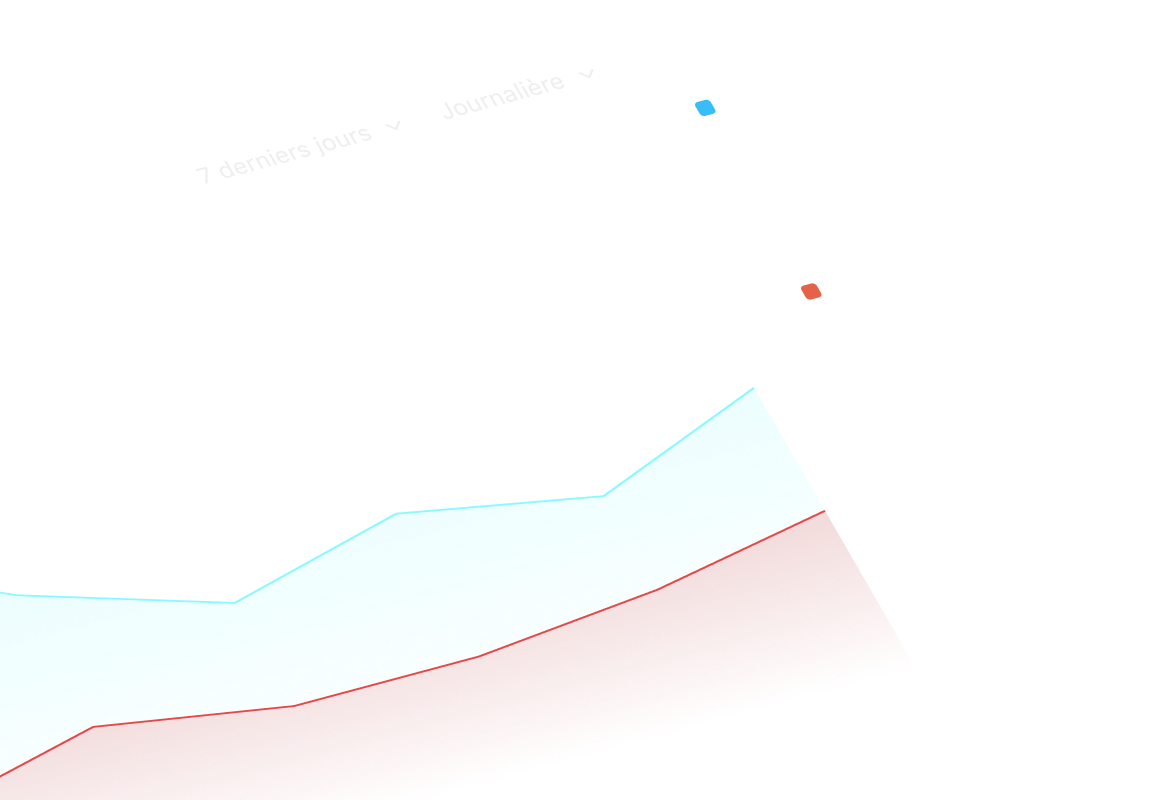
Monitoring, alerts, and compliance in one place
Data updated every 5 minutes (GDPR-compliant)
Multiple configurable alerts: leaks, threshold breaches, nighttime anomalies, budget drift...
Management dashboards and customizable multi-site modeling
Automated reports for regulatory and internal use
Exports and integrations with your ERP or BMS tools via an open API
Guaranteed availability and uptime for your SLA
AI-assisted decision support, for better anticipation of budget and contractual drift
Software
Recap
From fragmented data to proactive control
Before Willie
Data scattered across manual logs and disconnected systems
Undetected leaks driving up costs unnoticed
No visibility into the true cost of water, making investment decisions hard to justify
Approximate figures and manual calculations undermining credibility with stakeholders
Threshold breaches discovered too late, resulting in significant fines
With Willie
360° real-time visibility, with automatic water/production correlation
Optimized maintenance through consumption anomaly alerts
Transparent TCO enabling clear ROI justification for improvement projects
CSRD-certified KPIs and improved ESG ratings
Auto-generated declarations
Ready to transform your water management?
Get a personalized ROI estimate in a 30-minute demo with a Willie expert.
✓ Savings simulation based on your actual volumes
✓ Answers to your compliance questions
✓ No commitment, no obligation


Subscribe to our newsletter

© 2026 Willie. All rights reserved.